
Our potatoes
We grow potatoes for everyone, all season long. These products are produced by farmers associated with the SCIC, and all packaged in our facilities.
Early
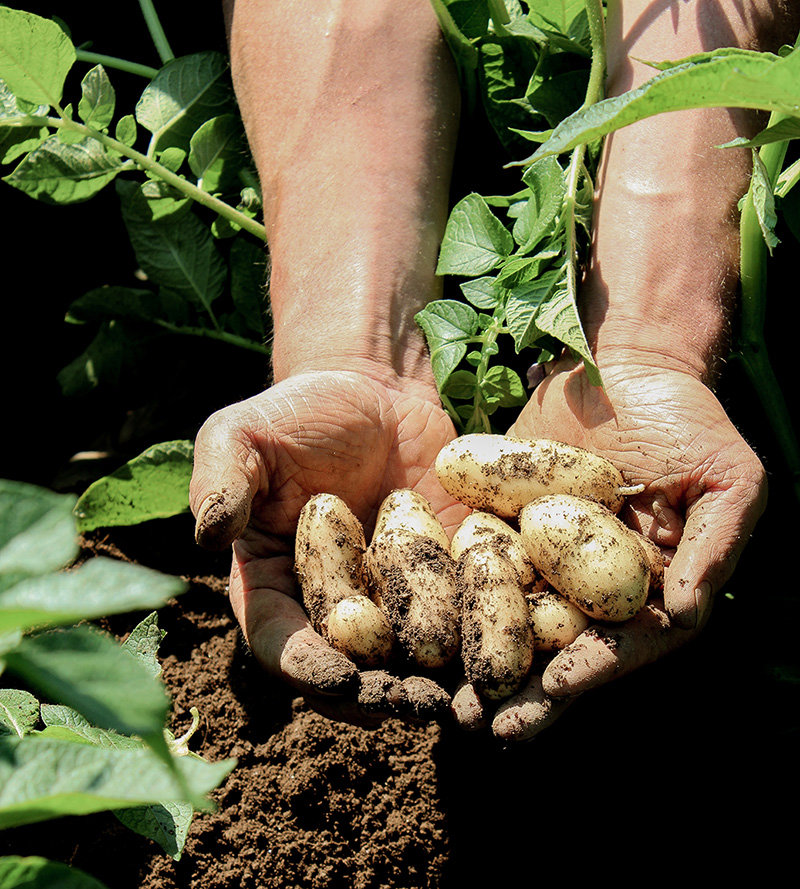
Organic early potatoes are harvested approximately 90 days after planting, before full physiological maturity. This early harvest results in smaller tubers with a delicate, slightly sweet flesh — ideally complemented by a simple knob of butter
They are grown all along the north Brittany coast, benefiting from the mild maritime climate and sea spray, in light soils that enable an early harvest. Manual harvesting is commonly practiced to preserve the integrity of the skins and minimize mechanical damage.
Conservation
Ware potatoes are varieties suitable for storage throughout the winter and into spring (May/June). They come in a diverse range of colors, textures, shapes, and culinary uses. Whether firm-fleshed or soft flesh, these potatoes are versatile — perfect for salads, baking, mashing, soups, frying, roasting, or crisping. We are committed to offering a broad selection of varieties to meet this wide array of culinary needs, including leading names in the French organic market such as Allians and Maïwen.
To meet the expectations of organic potato consumers and support the needs of organic growers, we launched a dedicated varietal selection program at Douar Den in 2010. The first success to emerge from this initiative is Maïwen — the very first potato variety developed by and for the French organic farming community.
In addition to potatoes for the fresh market, we also grow potatoes for our partners who manufacture frozen products and potato crsips, as well as potatoes plants. These products are grown by farmers who are members of the SCIC, mainly in Brittany.
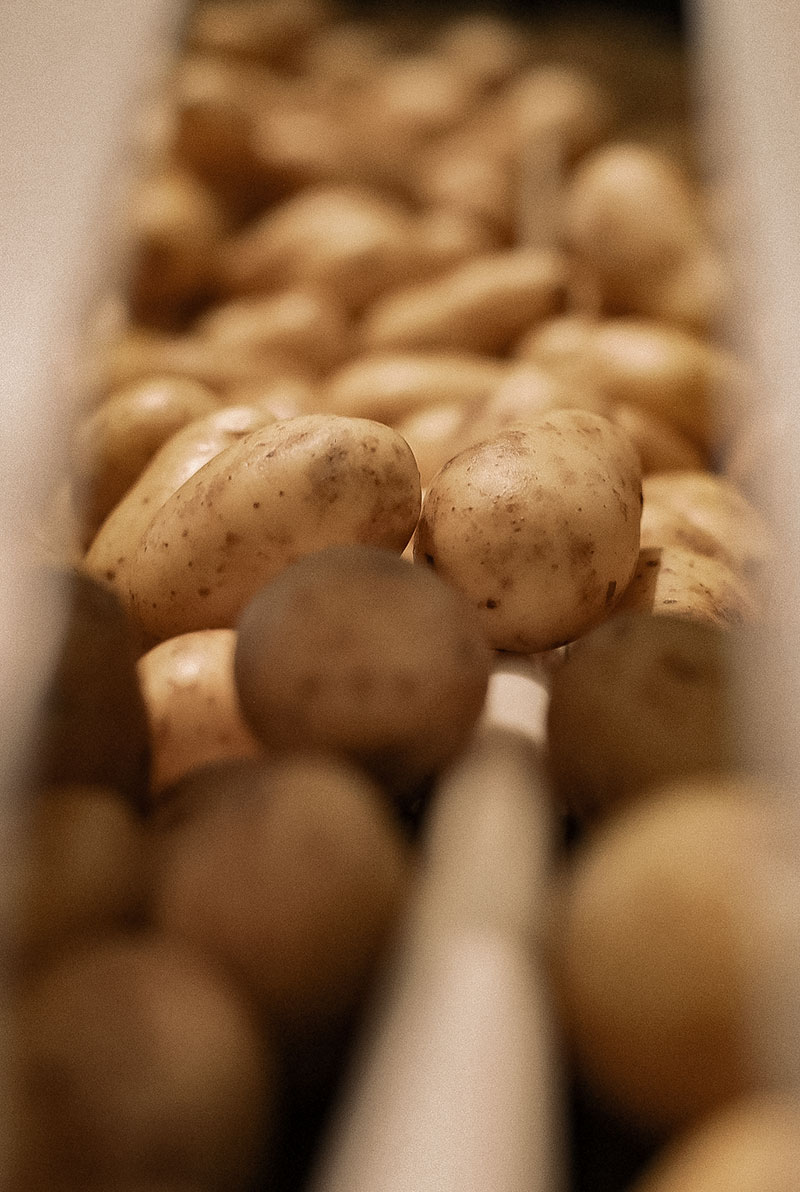
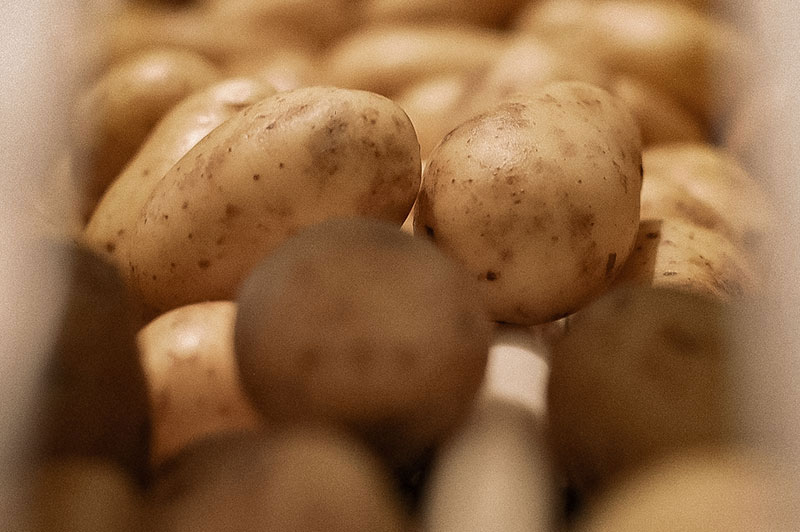
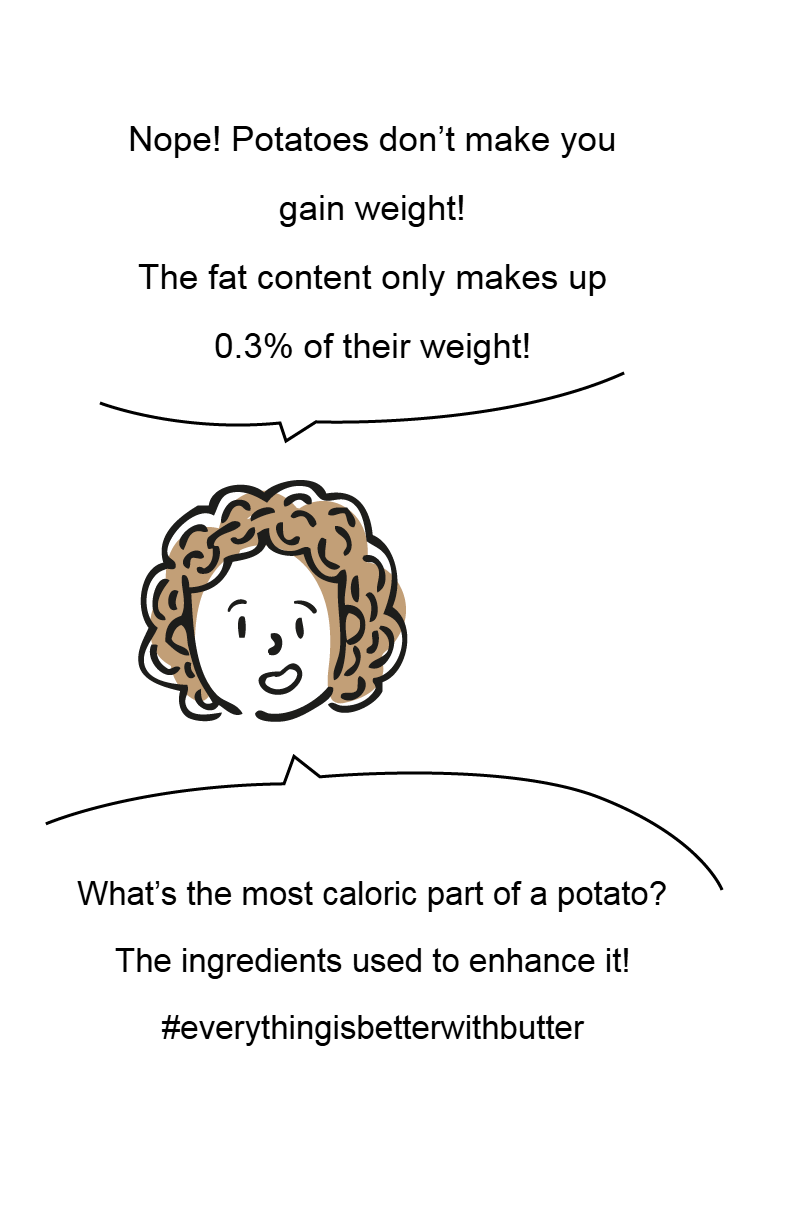
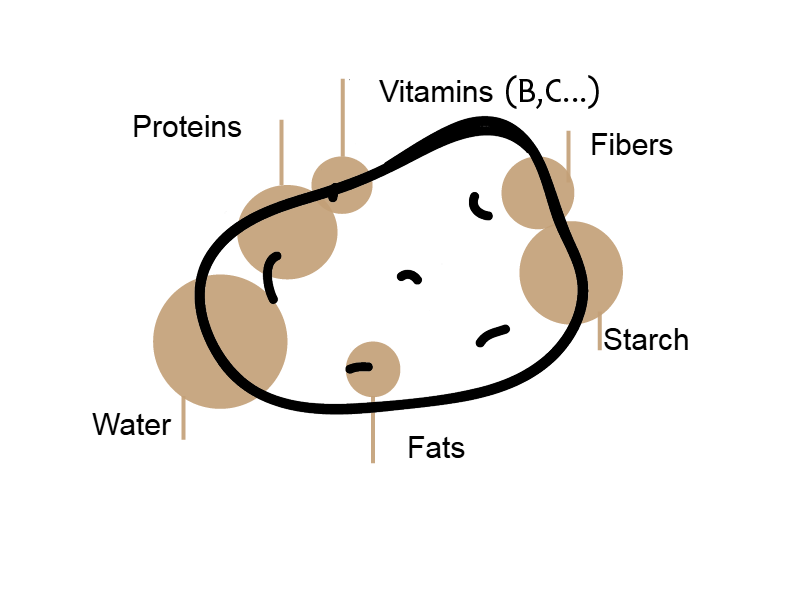
Douar Den varieties have been selected for their flavors, so you can cook them with all kinds of sauces, or simply boiled!
And with the skin on, it's even better! Easier and more nutritious!
Les origines de la pomme de terre
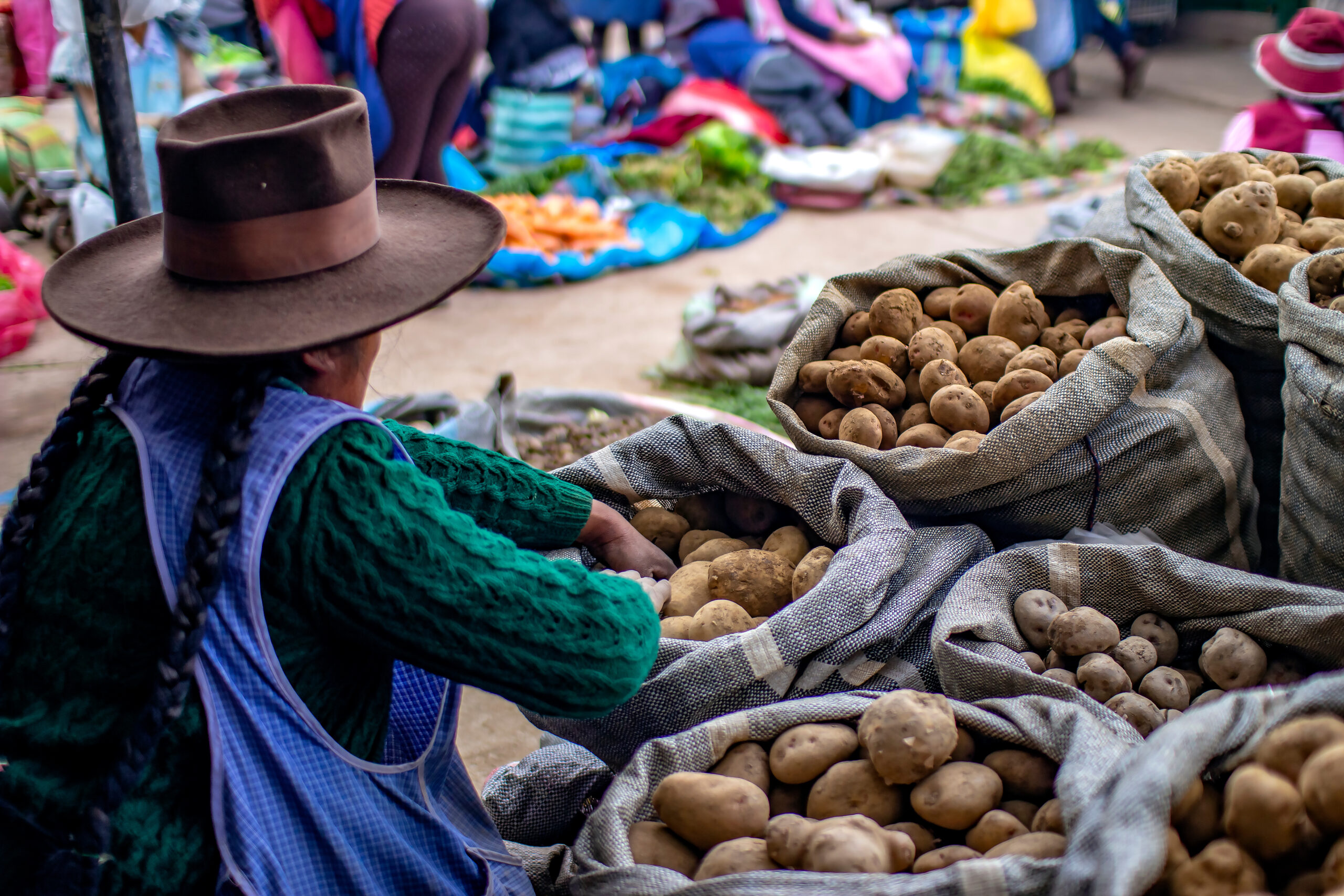
The history of the potato began some 8,000 years ago, in the heart ofSouth America. These edible tubers were then called "papa".
In the 16th century, the potato began its long journey to Europe, thanks to the return of explorers from the New World, where its nutritional qualitieswere finally recognized... two centuries later! Coming from the earth, gray in color and relatively coarse, it was considered by French society of the time to be "a product of the devil".
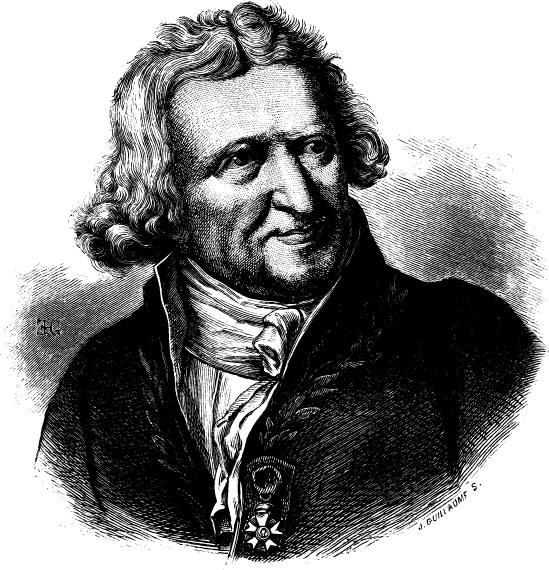
It was at this time thatAntoine Parmentier, a military pharmacist, came up with an ingenious way to promote the belle of the field.
Louis XVI, who had a well-shaped head before it was cut off, agreed to entrust a few acres of land to this stubborn Parmentier to grow potatoes under royal supervision. The presence of the royal guard naturally aroused the curiosity of local residents, who were quick to snatch some of the precious crop at the first opportunity!
A good intuition, since potato consumption contributed to the end of famines in Europe from the 18th century onwards. The adaptability of this species, which can be grown at all latitudes and altitudes (from 0 to 4,500 metres!), makes it the world's 3rd most important food crop.
In the future, it will continue to represent one of the solutions to the crises linked to global population growth and climate change.
"Potatoes deserve special attention because they are by far the crop that can produce the most nutrients per day of land use, and therefore the most water and labor."
Bernard Jouan
Project for development and security in the potato sector in West Africa.